Building Diverse Tech Teams
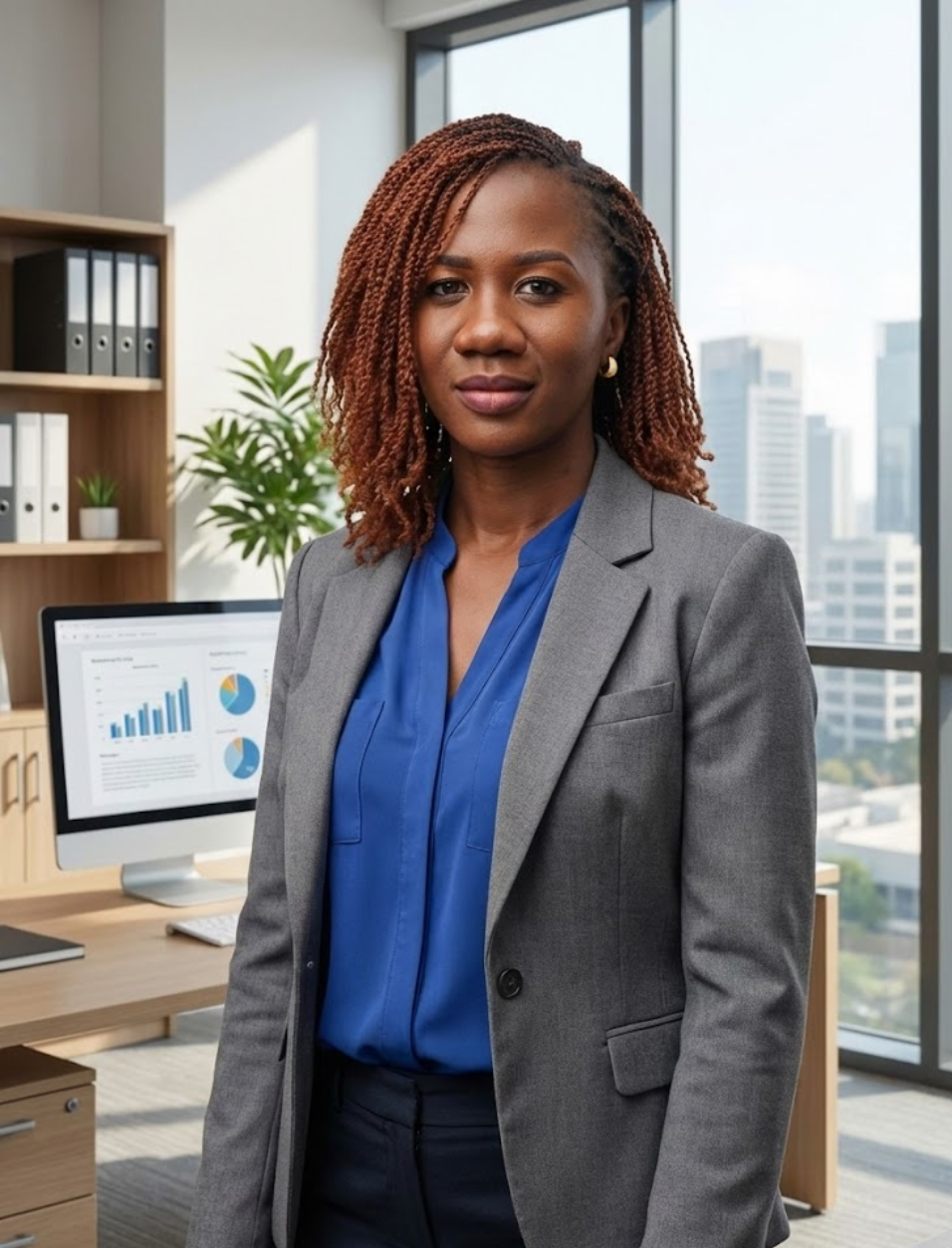
Sharon Otiende
Human Resource Manager
February 18, 2025
16 min read
Building Diverse Tech Teams: Strategic HR Management for Innovation and Inclusion
How strategic human resource management can build inclusive, high-performing tech teams that drive innovation and reflect the diversity of African markets. In today's global tech landscape, diversity isn't just a moral imperative—it's a competitive advantage. Teams that reflect the diversity of their users build better products, solve problems more creatively, and reach markets more effectively.
At CyberUhuru, we've learned that building diverse tech teams requires intentional, strategic approaches to hiring, development, and culture. This article shares practical insights from our experience building teams across multiple African markets, where diversity encompasses not just gender and ethnicity, but also educational backgrounds, socioeconomic experiences, and technological perspectives.
Why Diversity Matters in Tech
Research consistently shows that diverse teams outperform homogeneous ones. In tech specifically, diversity drives innovation because:
- Different perspectives lead to more creative problem-solving
- Diverse teams better understand diverse user needs
- Inclusion reduces groupthink and improves decision-making
- Varied experiences bring unique insights to technical challenges
- Representation builds trust with diverse customer bases
In African tech ecosystems, where products serve incredibly diverse populations across 54 countries, team diversity isn't optional—it's essential for building products that resonate with local markets.
Inclusive Hiring Practices
Building diverse teams starts with inclusive hiring. Traditional tech hiring often relies on credentials, specific university degrees, and years of experience—criteria that can exclude talented individuals from non-traditional backgrounds. We focus on skills and potential rather than traditional credentials. This approach opens opportunities for talented individuals from diverse backgrounds and experiences.
Skills-Based Hiring
Skills-based hiring evaluates candidates on their ability to do the job, not just their credentials. This approach:
- Removes bias toward specific universities or degrees
- Values practical experience and portfolio work
- Recognizes self-taught developers and bootcamp graduates
- Focuses on problem-solving ability and cultural fit
- Considers transferable skills from other industries
We've found that some of our best developers came from non-traditional backgrounds—former teachers, healthcare workers, and entrepreneurs who learned to code to solve problems in their previous fields. Their diverse experiences bring unique perspectives to our products.
Expanding the Talent Pool
Traditional tech hiring often relies on referrals and established networks, which can perpetuate homogeneity. To build diverse teams, we actively expand our talent sourcing:
- Partner with coding bootcamps and training programs
- Attend career fairs at diverse universities and technical schools
- Engage with online communities and developer groups
- Offer internships and apprenticeship programs
- Create referral programs that incentivize diverse referrals
- Use blind resume screening to reduce unconscious bias
We've also found success in creating pathways for career changers—people transitioning from other fields into tech. These individuals often bring valuable domain expertise and fresh perspectives.
Inclusive Interview Processes
The interview process itself can create barriers. We've redesigned ours to be more inclusive:
- Use structured interviews with consistent questions
- Include diverse interview panels
- Provide interview questions in advance when possible
- Focus on behavioral and situational questions
- Offer multiple ways to demonstrate skills (coding challenges, portfolio reviews, pair programming)
- Ensure interviewers are trained on unconscious bias
We've also moved away from "culture fit" assessments that can exclude people who are different, and toward "culture add" evaluations that value what candidates bring to the team.
Creating Supportive Environments
Diverse teams thrive in environments where everyone feels valued and heard. We implement mentorship programs, regular feedback sessions, and clear growth paths for all team members. But creating truly inclusive environments requires more than programs—it requires cultural change.
Psychological Safety
Team members need to feel safe to express ideas, ask questions, and make mistakes. We foster psychological safety by:
- Encouraging questions and "dumb" questions explicitly
- Celebrating learning from failures, not just successes
- Creating spaces for different communication styles
- Addressing microaggressions and bias promptly
- Ensuring all voices are heard in meetings
When team members feel psychologically safe, they contribute more fully, leading to better outcomes and innovation.
Mentorship and Development Programs
Effective mentorship programs pair experienced team members with those earlier in their careers, creating pathways for growth. Our programs include:
- Formal mentorship pairings with clear goals
- Reverse mentorship where junior team members share fresh perspectives
- Peer learning groups and study circles
- External mentorship connections with industry leaders
- Regular check-ins and progress reviews
We've found that mentorship is particularly important for team members from underrepresented backgrounds, who may not have the same informal networks and opportunities for advancement.
Clear Growth Paths
Ambiguity in career progression can disadvantage team members who don't have insider knowledge about advancement. We've created transparent growth frameworks that:
- Define clear competency levels for each role
- Provide examples of what success looks like at each level
- Offer multiple paths for advancement (technical, management, specialization)
- Regularly review and update growth frameworks
- Ensure promotion processes are fair and transparent
This transparency helps all team members understand how to advance, regardless of their background or connections.
Inclusive Communication
Communication styles vary across cultures and backgrounds. We create inclusive communication practices by:
- Providing multiple channels for input (meetings, async, written)
- Rotating meeting facilitation to share leadership
- Using clear, jargon-free language in documentation
- Ensuring meeting notes and decisions are documented
- Respecting different communication preferences and time zones
For remote and distributed teams across Africa, inclusive communication is especially important, as team members may be working across different time zones, languages, and cultural contexts.
Addressing Bias and Microaggressions
Even with the best intentions, bias and microaggressions can undermine diversity efforts. We address these proactively through:
- Regular training on unconscious bias and microaggressions
- Clear policies and procedures for reporting incidents
- Accountability measures for addressing bias
- Creating safe spaces for discussing difficult topics
- Regular team discussions about inclusion and belonging
Addressing bias isn't a one-time training—it's an ongoing commitment to creating environments where everyone can thrive.
Measuring and Improving Diversity
What gets measured gets managed. We track diversity metrics to understand our progress and identify areas for improvement:
- Demographic representation at all levels
- Hiring and promotion rates by demographic group
- Retention rates and reasons for turnover
- Employee engagement and satisfaction scores
- Participation in development programs
These metrics help us identify where we're succeeding and where we need to focus our efforts. We share these metrics transparently with the team to maintain accountability.
Building Inclusive Leadership
Diverse teams need inclusive leaders who can leverage different perspectives and create environments where everyone can contribute. We develop inclusive leadership through:
- Leadership training on inclusive management practices
- 360-degree feedback that includes diversity and inclusion metrics
- Accountability for team diversity and inclusion outcomes
- Recognition and rewards for inclusive leadership behaviors
- Diverse representation in leadership positions
Leaders set the tone for team culture. When leaders model inclusive behaviors, those behaviors spread throughout the organization.
Challenges and Solutions in African Tech
Building diverse teams in African tech contexts comes with unique challenges:
- Limited talent pools: In some markets, the tech talent pool is small, making diversity efforts more challenging. We address this by investing in training and development programs that expand the talent pool.
- Cultural barriers: Different cultural norms around communication, hierarchy, and work styles can create challenges. We create cultural awareness training and adapt our practices to be culturally sensitive.
- Economic constraints: Limited budgets can make it difficult to offer competitive compensation. We focus on non-monetary benefits like learning opportunities, flexible work, and meaningful work.
- Geographic distribution: Teams spread across different countries and regions require intentional efforts to build connection and inclusion.
Despite these challenges, we've found that the benefits of diverse teams far outweigh the difficulties. Diverse teams in African tech are building products that better serve African markets, creating solutions that reflect local needs and contexts.
Conclusion
Building diverse tech teams isn't a one-time initiative—it's an ongoing commitment to creating inclusive environments where everyone can thrive. It requires intentional hiring practices, supportive workplace cultures, and continuous effort to address bias and barriers.
At CyberUhuru, we've seen firsthand how diverse teams drive innovation and build better products. The principles outlined here—skills-based hiring, supportive environments, inclusive communication, and continuous improvement—form the foundation of teams that reflect the diversity of the markets we serve.
As African tech continues to grow, building diverse teams isn't just the right thing to do—it's essential for building products that serve diverse African markets effectively. The future of African tech depends on teams that reflect the continent's incredible diversity.